Gluten-Free Bread Made Easy: 15-Function Bread Maker
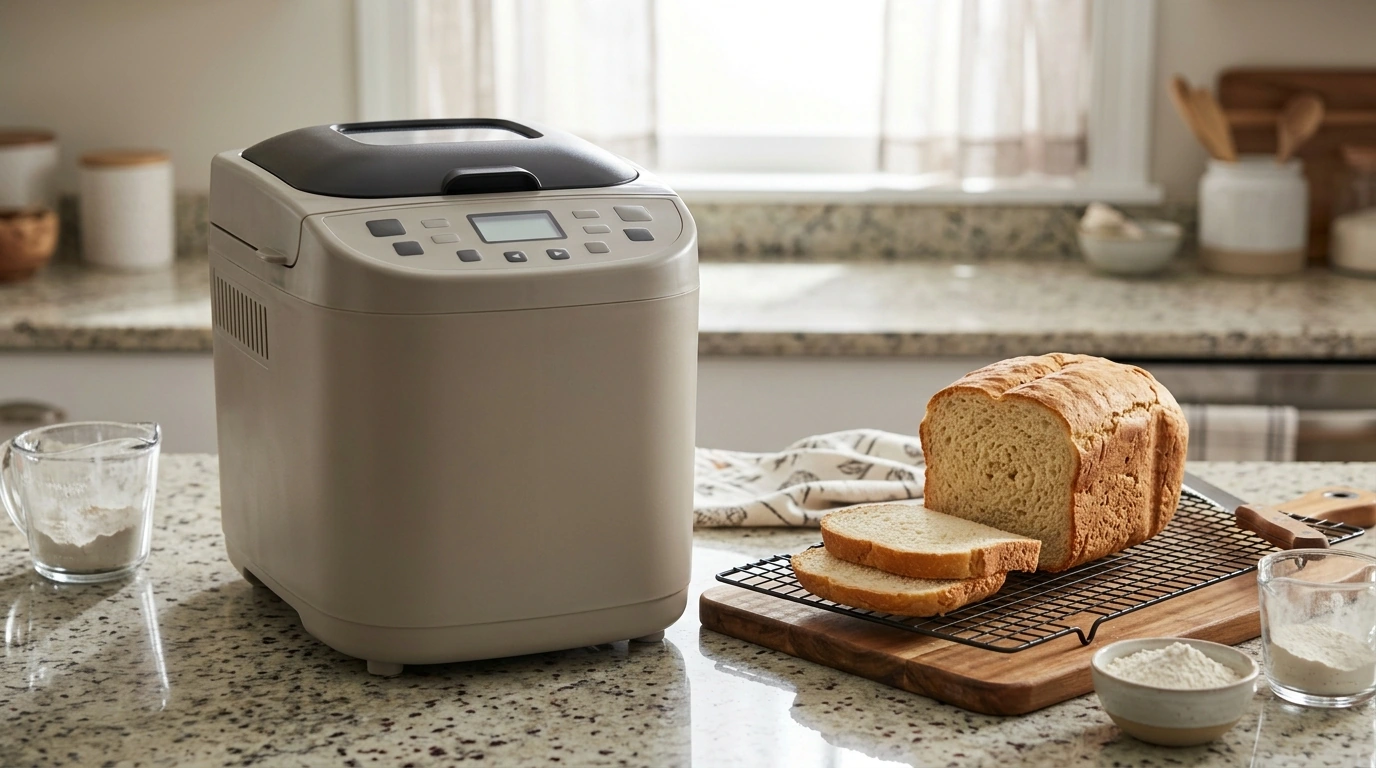
Automatic Bread, Without the Guesswork (Especially When You’re Baking Gluten-Free)
Homemade bread is one of those small upgrades that changes everyday meals: toast with real flavor, sandwich slices that hold together, and gluten-free loaves that don’t feel like a compromise. With an Automatic Bread Maker with 15 Functions & Gluten-Free Setting, our team loves how quickly “someday” becomes routine—measure, load the pan, choose a program, and let the machine handle the timing. For more guidance, see Synergistic Effects of Hydrocolloid Combinations on Gluten ….
Below, we’ll walk through what an automatic bread maker helps you avoid, how to use the 15-function lineup intentionally, and the small habits that make gluten-free loaves slice cleanly instead of crumbling or turning gummy. For further reading, see Bread Maker Review: Which Ones Rise to the Occasion?.
What an Automatic Bread Maker Solves (and Why Gluten-Free Benefits Even More)
A bread machine isn’t just about convenience—it’s about controlling the moments that are hardest to eyeball consistently.
- Hands-off timing: Kneading, rest, rise, and bake steps run on a set schedule, so you’re not watching the clock or guessing when dough is “ready.”
- More repeatable results: Programs control mixing and proofing windows that are easy to overdo (over-proofing) or underdo (dense loaves) when you’re multitasking.
- Gluten-free dough needs different handling: Without gluten structure, success is less about “adding more flour” and more about the right mixing intensity and the right rise/bake timing. A gluten-free setting is built around those differences.
- Everyday practicality: Set up a fresh loaf for dinner, or run a program when it fits your day—without turning baking into an all-afternoon project.
Using the 15 Functions: Pick a Workflow, Not Just a “Type of Bread”
It helps to treat each function like a complete workflow: how it mixes, how long it rests, how it rises, and when it bakes. That’s why a dedicated gluten-free program matters—gluten-free doughs and batters simply behave differently than wheat dough.
- Start with the gluten-free program for gluten-free loaves instead of trying to “make it work” on a standard white-bread cycle.
- Use specialty programs for variety: sweet breads, whole-grain styles, dough-only cycles (shape and bake elsewhere), and bake-only cycles for finishing when your recipe calls for it.
- Experiment like a tester: change one variable at a time (flour blend, hydration, yeast, add-ins). That way your next loaf teaches you something useful.
Program choices and what they’re best at
| Goal | Best-matching function type | Helpful tip for better texture |
|---|---|---|
| Gluten-free sandwich loaf | Gluten-free setting | Use a gluten-free flour blend intended for yeast breads; cool fully before slicing to prevent gumminess. |
| Classic everyday loaf | Basic/white-style program | Measure flour by weight if possible; small measurement swings change crumb a lot. |
| Whole-grain style loaf | Whole wheat/whole grain-style program | Expect longer hydration needs; if your recipe calls for a rest period, honor it for softer texture. |
| Sweet bread (cinnamon-raisin style) | Sweet bread-style program | Add mix-ins at the recipe’s recommended stage to avoid shredded fruit and streaky dough. |
| Pizza bases, rolls, shaped loaves | Dough-only function | After the cycle, shape and bake in the oven for crust control and custom sizes. |
| Banana bread or quick loaf | Quick bread/cake-style function | Avoid overmixing; quick breads prefer minimal agitation once wet and dry combine. |
Gluten-Free Setting: What Changes (and How to Get Clean Slices)
Gluten-free bread machine baking is less about “dough feel” and more about formula and finishing. A few expectations make the process smoother:
If you or someone in your home has celiac disease, it’s also worth reading the FDA’s overview of gluten-free labeling to understand what “gluten-free” means in packaged foods and ingredients (U.S. FDA: Gluten-Free Labeling of Foods) and reviewing common gluten sources (Celiac Disease Foundation: Sources of Gluten).
Ingredient Loading Habits That Prevent Big Problems
And when flour inevitably drifts onto the counter (especially with gluten-free blends), quick cleanup helps keep your space comfortable. Our team often pairs bread routines with an easy-to-grab cleanup tool like our Lightweight Canister Vacuum Cleaner for around the kitchen and dining area.
Everyday Ideas Beyond a Standard Loaf
- Dough-only for weeknight flexibility: Run the dough cycle, then shape rolls, burger buns, or a pizza base and bake in the oven for browner crust and custom sizes.
- Gluten-free meal-prep bread: Bake, cool fully, slice, and freeze in portions; toast from frozen to preserve texture.
- Flavor upgrades that stay predictable: Dried herbs, garlic powder, seeds, or grated hard cheese typically behave better than very wet add-ins.
- Smaller, fresher batches: Baking more often can reduce waste from half-used loaves going stale—then store leftovers safely (see USDA FSIS: Leftovers and Food Safety).
Quick Checklist Before You Hit Start
FAQ
Does the gluten-free setting prevent cross-contact with gluten?
No. The gluten-free program changes mixing and timing, but it doesn’t guarantee gluten-free safety; for strict avoidance, use dedicated tools or thoroughly clean the pan, paddles, and any measuring equipment and keep ingredients separate.
Why does gluten-free bread sometimes sink in the middle?
Common causes include too much liquid, too much yeast, or not enough structure from binders/protein. Avoid opening the lid during key phases, and adjust one variable at a time so you can pinpoint what stabilized the loaf.
Can the dough function be used for gluten-free pizza crust?
Often yes, as long as your recipe is designed for yeast and machine mixing; many gluten-free pizza doughs are batter-like, so you’ll usually shape with wet hands or a spatula. Baking on a well-preheated surface helps improve crust.








Leave a comment