30,000 lb Tow Straps & 44,092 lb D-Rings for Recovery
Off-Road Recoveries Start with Strong, Simple Connections
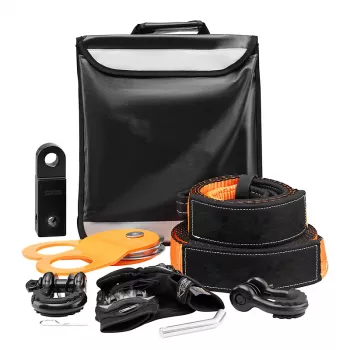
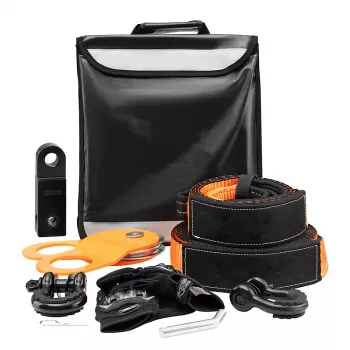
A solid recovery kit keeps a tough situation from turning into a long day on the trail. Our off-road winch recovery kit is built around two pieces that do the heavy lifting in most recoveries: high-strength tow straps (30,000 lbs) and heavy-duty D-ring shackles (44,092 lbs). The goal is straightforward—make secure connections, manage load paths, and get a controlled pull when traction disappears. For more guidance, see Lets discuss off road recovery gear.
If you’re building (or upgrading) a recovery bag, this combo is the “connective tissue” that ties together your winch line or rope, your vehicle’s rated points, and a safe anchor or another rig—without relying on mystery hardware. For further reading, see Kinetic Recovery Rope, 1″ x 20ft 48500LBS, ….
What this kit is built to do
- Support common off-road recovery scenarios: mud, sand, snow, ruts, and steep approaches where traction drops fast.
- Create secure, repeatable connections between a winch line (or recovery rope), a strap, and rated recovery points.
- Reduce weak links: the included tow straps and D-ring shackles are chosen with high working strength in mind so connection hardware doesn’t become the first failure point.
- Keep the recovery process organized: a ready kit means less improvising with unknown straps, hooks, or hardware.
Ratings that matter: tow straps and D-ring shackles
Recovery ratings only help when the entire system is balanced. A strong strap paired with an un-rated attachment point (or a questionable shackle) is where things go wrong fast—especially when loads spike.
- Tow strap strength (30,000 lbs): useful for vehicle-to-vehicle pulls, winch line extensions, and bridging distance when a safe anchor point isn’t close.
- D-ring shackle strength (44,092 lbs): designed to be the reliable connector between straps and recovery points; higher-rated hardware helps keep the system balanced.
- Weakest component rules the day: pair straps and shackles with properly rated recovery points, hitches, and winch equipment.
- Avoid mixing unknown hardware: unmarked shackles, worn straps, or non-rated tie-downs can fail without warning under dynamic loading.
Quick strength and role check
| Component | Rating | Primary role in recovery | Practical notes |
|---|---|---|---|
| Tow strap | 30,000 lbs | Creates distance and spreads load between vehicles/anchors | Use on rated points only; keep it straight and avoid sharp edges |
| D-ring shackle | 44,092 lbs | Connects strap/line to a recovery point securely | Hand-tighten pin, then back off slightly; never side-load if avoidable |
| Recovery point (vehicle/anchor) | Varies | Where all force ultimately transfers | Confirm it’s a rated recovery point, not a tie-down loop or thin bracket |
| Winch line / recovery rope | Varies | Provides pulling force | Inspect for frays/kinks; use a damper and maintain a safe perimeter |
How to choose safe connection points (the part most recoveries hinge on)
- Use rated recovery points: look for manufacturer-rated front/rear points or properly installed aftermarket recovery points.
- Avoid tow balls for recovery: they are not designed for shock loads and can become dangerous projectiles if they fail.
- Keep pull angles reasonable: hard side pulls increase stress on hardware and can twist shackles and mounts.
- Align the pull with the chassis when possible: straighter pulls reduce unpredictable loading and help maintain control.
For a solid fundamentals refresher on winching procedures and safe zones, you can review Warn Industries’ winching guide. For general shackle handling and loading concepts, Crosby’s shackle information is also a good reference point.
Common ways this kit gets used on the trail
- Winch assist with a strap extension: when the anchor is farther than the winch line comfortably reaches, a strap can bridge distance while keeping the pull controlled.
- Vehicle-to-vehicle pull: a tow strap paired with rated points on both vehicles is a direct, practical recovery option when winching isn’t ideal.
- Cleaner anchor management: shackles make it easier to connect straps to recovery points without forcing awkward loops that can chafe, pinch, or bind.
- More predictable load paths: clean, centered connections reduce twisting and help your recovery stay stable as tension increases.
Off-road safety is also a mindset—stay patient, keep your group calm, and protect the places you travel. The Tread Lightly! principles are worth keeping in mind when you’re planning routes and recoveries.
Safe recovery checklist before tension goes on the line
Care, storage, and longevity
Product details and when this kit makes sense
Our team’s in-stock picks
- Off-Road Winch Recovery Kit with 30,000 lbs Tow Straps and 44,092 lbs D-Ring Shackles
- Wireless RF Signal Detector – Anti Spy Camera & GPS Tracker Finder
- Lightweight Canister Vacuum Cleaner
FAQ
Are tow straps and recovery straps the same thing?
They’re often confused, but they’re not automatically the same: towing is typically steady pulling, while recovery can involve higher, less predictable loads. Use straps that are clearly rated and intended for recovery, and avoid sudden shock loads that can spike forces far beyond the strap’s stated strength.
How tight should a D-ring shackle pin be during recovery?
Hand-tighten the pin until snug, then back it off slightly so it won’t bind under load. Avoid cranking it down with tools unless you truly need to, and re-check alignment before the pull starts.
Can this kit be used with a winch and also for vehicle-to-vehicle pulls?
Yes—tow straps can bridge distance for winching and also connect two vehicles for a controlled pull. In both cases, use rated recovery points on both ends, take up slack slowly, and keep everyone well clear of the line of pull.











Leave a comment