Wooden Oven Play Set: Pizza & Cupcakes Pretend Fun
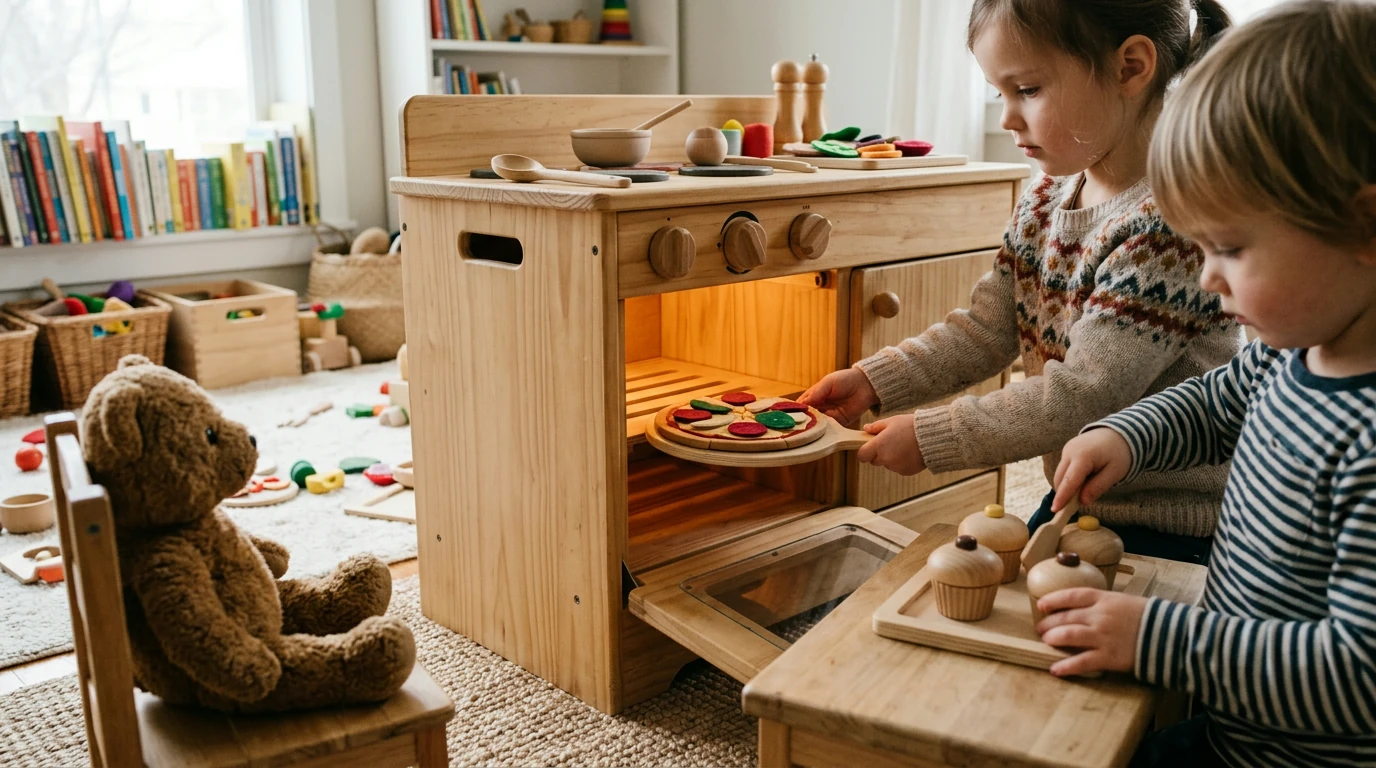
Wooden Toy Kitchen Oven Set with Pizza and Cupcakes: A Little Bakery, Pizzeria, and Big Imagination in One
Some toys get played with once. Others become part of daily life—opened for “breakfast,” reopened for “dinner,” and somehow still busy at bedtime. A wooden toy kitchen oven set hits that sweet spot because it’s open-ended: today it’s a pizza shop, tomorrow it’s a cupcake bakery, next week it’s a restaurant with a waiting list of stuffed animals. This set brings the fun of pretend cooking into a sturdy, kid-friendly format, with familiar foods that make play easy to start and hard to stop. If your goal is hands-on pretend play that invites storytelling, sharing, and little routines, this oven set is built for exactly that kind of repeat-play momentum.
What makes this oven play set a “repeat play” favorite
Our team sees the longest-lasting pretend-play toys do two things well: they feel satisfying to use, and they spark “plots” without needing adult direction. A wooden oven set checks both boxes.
- Wooden play kitchens tend to feel more “real” to kids—the weight, texture, and the satisfying feel of pieces being placed, served, and put away.
- Pizza and cupcakes are instant-plot foods: kids already know how they’re “made,” ordered, sliced, served, and celebrated.
- Pretend baking and cooking naturally creates roles (chef, customer, server, delivery driver), which makes it easier for siblings and friends to join in.
- It supports both quick play and long story play: a five-minute snack run or a full restaurant shift with menus and specials.
Easy play scenarios to keep the set in constant rotation
| Scenario | What kids do | Skills quietly practiced |
|---|---|---|
| Pizza Shop | Take orders, “bake,” slice, and serve pizza | Turn-taking, sequencing, social language |
| Cupcake Bakery | Decorate cupcakes, sell to customers, box to-go treats | Creativity, fine-motor control, counting |
| Family Dinner | Cook for dolls, siblings, parents; set routines | Storytelling, empathy, daily-life confidence |
| Cooking Show | Announce steps, present the final dish | Communication, performance confidence |
What’s inside the pretend kitchen experience
An oven-centered set gives kids a built-in storyline: start to finish. That matters because it helps them stick with play longer and return to it later without re-learning how to “play it.”
- An oven theme encourages beginning-to-end storytelling: prep → bake → serve → clean up.
- Pizza play is naturally cooperative: slices, toppings, and portions make sharing and dividing feel like part of the game.
- Cupcake play invites celebrating and gifting, which fits right into pretend birthdays, tea parties, and holiday scenes.
- Kids create their own rules fast—timers, order lines, delivery routes—which is a strong sign the toy supports open-ended play.
If you want to gently extend the play without “directing” it, try adding a notepad for orders, scrap-paper menus, or a small reusable bag for “delivery.” The best add-ons are simple and flexible, so your child stays in charge of the story.
Skills this set supports without turning play into a lesson
Pretend cooking is one of those rare activities that feels purely fun to kids while quietly building real-world skills. The American Academy of Pediatrics highlights the developmental value of play in areas like social-emotional growth and problem-solving (The Power of Play), and pretend-play is a big part of that picture.
- Fine-motor practice: picking up pieces, placing foods carefully, “decorating” cupcakes, and arranging items like a real baker.
- Language growth: narrating steps, negotiating roles, and repeating everyday phrases (“next order,” “hot from the oven,” “that’ll be two slices”).
- Early math and logic: counting servings, dividing pizza into slices, matching items, and following a step-by-step sequence.
- Social-emotional learning: serving others, taking feedback (“more sprinkles”), and practicing patience while someone else takes a turn.
- Confidence through imitation: mirroring everyday life helps kids feel capable and included in family routines.
For more on how early learning connects to play-based experiences, the National Association for the Education of Young Children (NAEYC) shares helpful guidance on supporting play and learning (Supporting Play and Learning).
Where this toy fits best at home
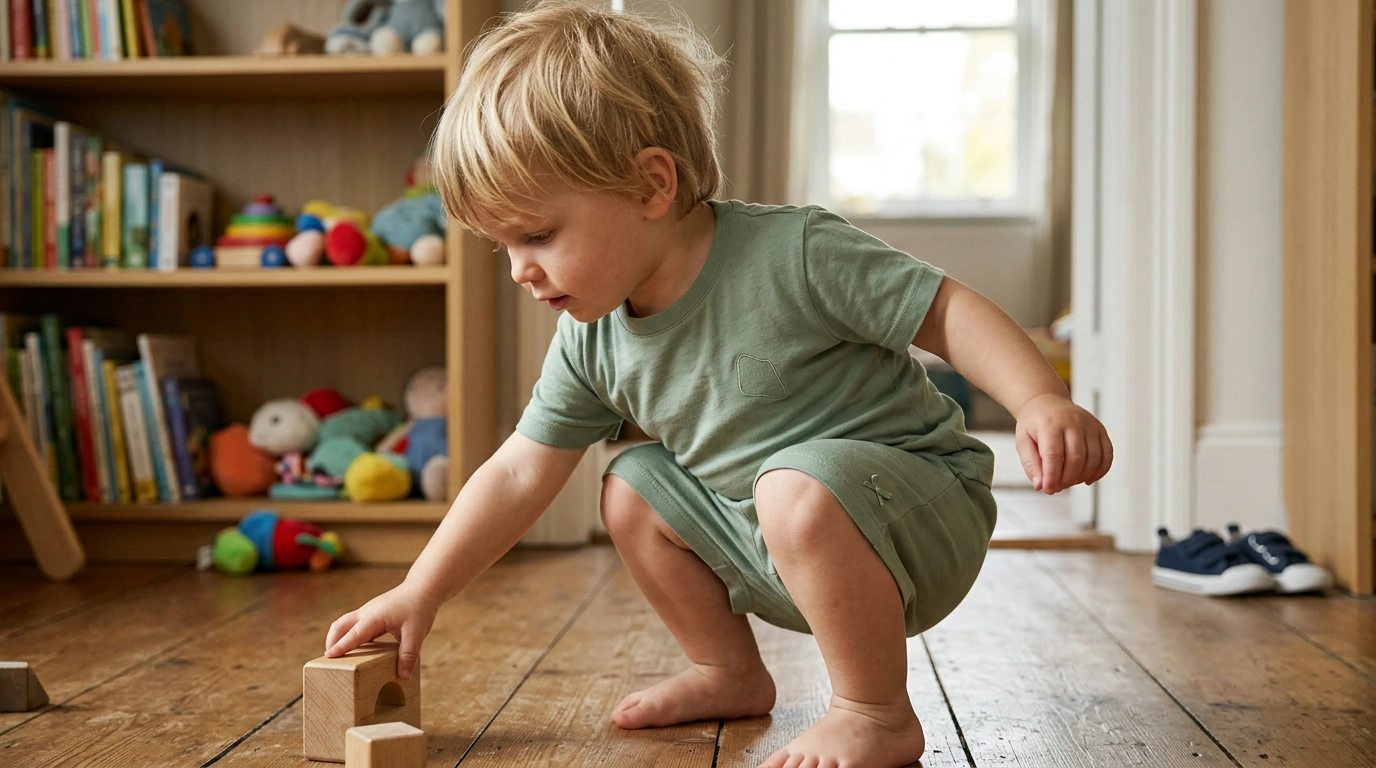
Where you place a pretend kitchen can decide how often it gets used. If it’s tucked away, it becomes an “occasion” toy; if it’s accessible, it becomes part of everyday play.
Care, safety habits, and keeping the set looking great
For broader toy-safety guidance, the U.S. Consumer Product Safety Commission offers practical tips for choosing and using toys safely (CPSC Toy Safety).
Shop our in-stock picks
- Wooden Toy Kitchen Oven Set with Pizza and Cupcakes – Pretend Play for Kids
- Lightweight Canister Vacuum Cleaner
A gift that lands well (and doesn’t get boring fast)
FAQ
What age is a wooden toy kitchen oven set best for?
Most wooden pretend kitchen sets are a strong fit for preschool and early elementary ages, since kids can follow simple routines and build bigger role-play stories over time. If there are small pieces, younger children may need closer supervision while they play.
How does pizza and cupcake pretend play help kids learn?
It naturally builds sequencing (prep, bake, serve), sharing and turn-taking, and everyday language as kids negotiate roles and “take orders.” You’ll also see early math show up through counting treats, dividing pizza into slices, and matching items during setup and cleanup.
How do you keep a pretend kitchen set organized?
Use one small bin or basket that lives next to the oven so kids can do a quick “reset” when play ends. Rotating a few simple extras—like paper menus or an order pad—keeps the experience fresh while storing everything together helps prevent lost parts.






Leave a comment